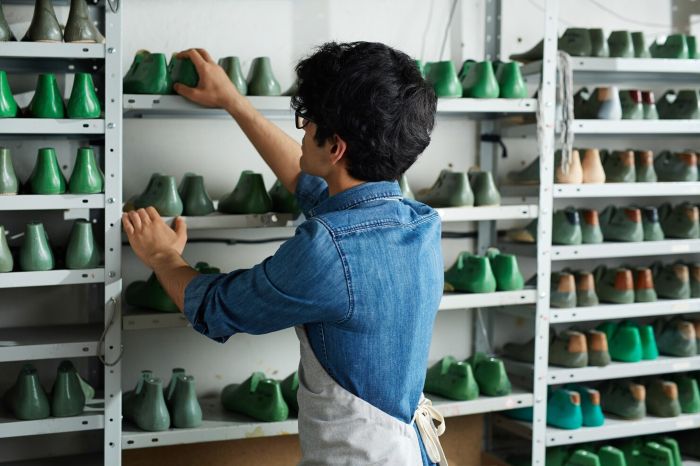
Sooner or later, a retailer or brand asks its suppliers a plain question: who makes this product, and how are they treated? A clean product inspection does not answer it. A social compliance audit in Vietnam does, and buyers who run one before the first order are in a far better position than those who wait until a customer’s compliance team starts sending requests for paperwork.
The audit measures a factory’s treatment of its workers against a code of conduct. The usual topics are child labour, forced labour, working hours, wages and benefits, discrimination, disciplinary practices, freedom of association, health and safety, and the management systems that keep all of this in order. Vietnam’s Labour Code sets the legal floor, including a normal working week of up to 48 hours, a minimum working age of 15 with extra limits for workers under 18, and caps on overtime. The audit applies whichever is stricter, local law or the buyer’s code.
Which code applies is the first thing to settle. Some retailers insist on a particular scheme, such as amfori BSCI, SMETA, or WRAP, and some accept a shared assessment that the factory has already completed. An audit done under the wrong scheme may not be accepted, and that means paying twice. Ask your customer in writing which report formats they take before you book anything.
On the day, a team of one or two auditors usually spends between one and three days on site, depending on headcount. A factory of about 500 workers often takes two auditor days, and larger sites take more. The visit opens with a meeting with management, then moves to document review, a walk through the production floor and any dormitory or canteen, and private interviews with workers. A closing meeting presents the findings. The interviews matter more than most buyers expect, because workers describe what actually happens on shift.
Document review is where the numbers get tested. The auditor compares payroll with time records, production output, and what workers said in interviews. If payroll shows 48 hours a week and the gate log and the interviews suggest people are there for 60, something is off. Falsified records and double sets of books exist in the region, and a careful auditor builds a picture from several sources instead of trusting one ledger.
Findings in Vietnamese garment and footwear plants fall into familiar groups. Overtime above the legal limit shows up often. The Labour Code caps overtime at 40 hours a month and 200 hours a year, with a higher annual ceiling of 300 hours for sectors such as garments and footwear, though you should confirm current figures with a local adviser because rules get amended. Other findings include incomplete social insurance contributions, blocked or poorly marked fire exits, chemicals stored without labels or containment, missing fire drill records, and dormitory rooms that fall short on space or sanitation.
Findings are graded by severity. Child labour, forced labour, and bribery of the auditor are usually treated as zero tolerance and fail the audit on the spot. Lesser findings go into a corrective action plan with deadlines, often between 30 and 90 days, followed by a verification visit. Read the plan the way you would read a repair estimate. Does it identify the cause, and does it give an owner and a completion date for each fix?
Timing affects what you see. Vietnamese factories run flat out before Tet, when the new year bonus and holiday leave create pressure to finish orders. An audit in that window may catch the worst overtime of the year. An audit in a quieter month shows normal operations, and some buyers do both, one on a fixed date and one within a short notice window.
A factory’s treatment of its workers also shows up in the product. High turnover means new hires on the sewing or bonding line every month, and new hires make more stitching and gluing defects in their first weeks. Pairing the audit with product checks gives a fuller view of risk, which is why many buyers book both through one provider that offers quality control in Vietnam.
Costs vary with headcount and scheme, so ask for a quote that states the number of auditor days and the standard being used. Keep each report and its corrective action history in the supplier file. When the next audit comes due, you can see whether the factory fixed the issues or only paid attention in the weeks before the visit.